

Quick answer
The island of Big Major Cay charges no entrance fee—it's free to step onto the sand. However, reaching Pig Beach requires a boat, and organized tours from Nassau or George Town range from $200 to $500 per person depending on group size, departure point, and whether lunch is included. Private charters start around $1,200 for up to six passengers. Budget an additional $20–$40 for optional pig food buckets and underwater camera rentals at the beach.
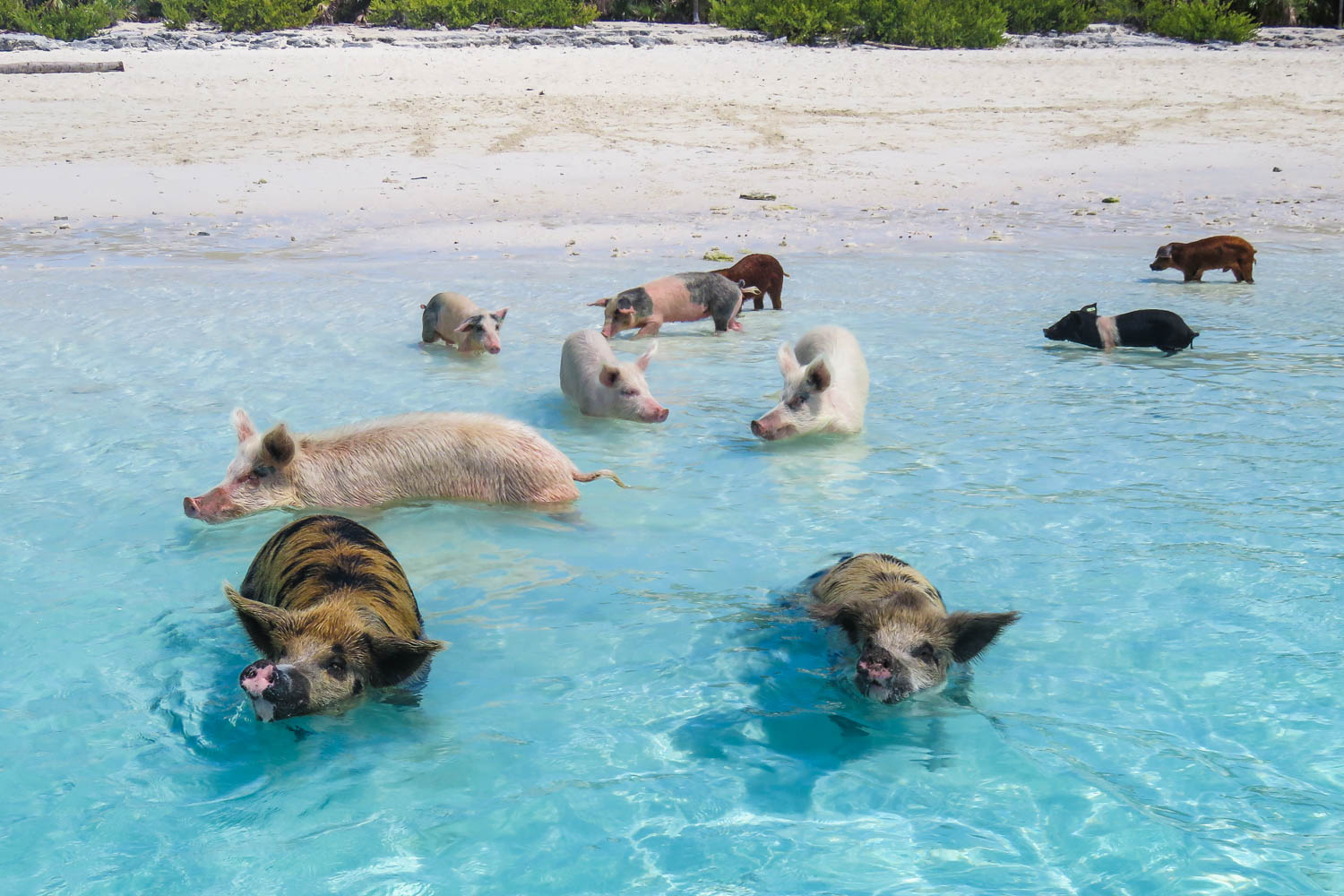
Big Major Cay became famous not because someone built a theme park, but because a colony of feral pigs claimed a pristine beach and learned to swim out to visiting boats. The island remains undeveloped—no pier, no facilities, no cashier collecting tickets. Access is entirely by water, and that transport cost defines the pig beach bahamas price for most visitors. Most travelers book day tours from Nassau, a 90-minute speedboat ride across the Exuma Sound. These group excursions bundle the pig encounter with snorkeling stops at Thunderball Grotto and sandbar visits, pushing the total duration to seven or eight hours. Operators include fuel, gear, and a guide in the base rate, but food and beverages often cost extra. Smaller tours departing from Staniel Cay or George Town shorten the boat time and lower the per-person rate, though those starting points require inter-island flights. Private charters offer flexibility—you control the schedule, the stops, and how long you spend in the shallows with the pigs. Boats seat four to eight guests and typically include a captain and mate. The flat charter fee makes sense for families or groups splitting the cost. Solo travelers and couples usually find group tours more economical. The pigs themselves cost nothing to photograph or swim alongside, but vendors on the beach sell carrot and lettuce buckets for feeding. Bring small bills—card readers don't exist on an uninhabited cay. Tour operators sometimes include pig feed in the package; confirm what's covered before departure to avoid redundant purchases. Underwater housings for phones rent for around $25 if your device isn't waterproof. Costs fluctuate with fuel prices and seasonal demand. Tours book out weeks ahead during winter and spring break, and last-minute availability often means premium rates. Booking directly with Exuma-based operators instead of resort concierges can trim $50 to $100 per person. The swimming pigs tour cost reflects distance, boat type, and group size more than the destination itself—Big Major Cay remains as free as it was before the first tourist arrived.
“The island charges nothing, but the boat that gets you there defines what you'll spend.”
Operating Hours for Pig Beach Bahamas Price and Access
Pig Beach is accessible 24 hours a day, seven days a week. Please note that while the island remains open at all times, your actual visit time is dictated by the availability of boat charters and local tour operators.
| Monday | 00:00–23:59 | |
|---|---|---|
| Tuesday | 00:00–23:59 | |
| Wednesday | 00:00–23:59 | |
| Thursday | 00:00–23:59 | |
| Friday | 00:00–23:59 | |
| Saturday | 00:00–23:59 | |
| Sunday | 00:00–23:59 |
Best Time to Visit Pig Beach Bahamas Price and Crowd Levels
The best arrival window for Pig Beach is 07:00–10:00. Arriving during this period helps you avoid mid-day crowds and the intense afternoon heat when the pigs are less active.
Weekday mornings
Minimal crowds—
Visiting on weekdays before mid-day provides the quietest experience.
Peak season (Dec–April)
High crowd levelsDry, 22°C to 26°C
This period offers the most pleasant weather but attracts larger tour groups.
Shoulder season (May/June, Nov)
Moderate crowd levelsWarm, 25°C to 29°C
These months balance comfortable temperatures with fewer visitors than the winter peak.
Off-season (Aug–Oct)
Low crowd levelsHot and humid, 28°C to 32°C
While crowd levels are lowest, visitors should prepare for higher heat and potential tropical weather patterns.
Verdict: The best time to visit is Tuesday to Thursday, arriving between 07:00–10:00, during the months of May or November.
Transportation Logistics for Pig Beach Bahamas Price and Arrival
Pig Beach is located at Big Major Cay, Exuma, The Bahamas. Access is exclusively by water, with most visitors arriving via organized boat tours departing from either Nassau or the mainland Exuma islands.
Speedboat tour from Nassau
Speedboat or powerboat from Great Exuma
Private charter from Exuma Cays
Guidelines for Pig Beach Bahamas Price and Responsible Tourism
The swimming pigs are wild animals whose health and behavior depend on visitor conduct. Following feeding and interaction guidelines protects both you and the colony.
Do
- Let pigs approach you rather than chasing them
- Feed from an open palm at water level, never above
- Rinse fruit and vegetables before offering them
- Keep a respectful distance if a pig seems agitated
- Supervise children closely during all interactions
- Move slowly and avoid sudden gestures near the animals
Don't
- Don't feed pigs processed foods, alcohol, or anything with salt
- Don't touch piglets or come between mothers and their young
- Don't corner pigs or block their path to shore
- Don't wear dangling jewelry that pigs might bite
- Don't apply sunscreen or lotions immediately before swimming with them
- Don't leave litter or food waste on the beach
Check availability
Common Questions About Pig Beach Bahamas Price and Logistics
Everything you need to know about pig beach bahamas price